Birds have fascinated humans for centuries because of their unique sounds, colorful appearances, and remarkable behaviors. Recently, the term whistleblew bird has gained attention among online users who are curious about whether it represents a real bird species or simply a phrase connected to birds with beautiful whistles. The search interest around this term shows how people continue to explore the fascinating world of bird sounds and meanings.
Although the phrase may sound like the name of a specific bird, there is no officially recognized species called the whistleblew bird in scientific bird classifications. Instead, the term appears to be associated with birds that create whistle-like calls or a creative expression used online. This article explores the meaning, origin, and real birds connected with this interesting keyword.
What Is Whistleblew Bird?
The term whistleblew bird does not represent an officially documented bird species in major scientific records or bird identification guides. Unlike well-known birds such as the Golden Whistler or Malabar Whistling Thrush, this phrase does not have a confirmed biological classification. Many people searching for the term are likely trying to discover whether it refers to a unique bird with a special whistle.
The growing popularity of this keyword comes from curiosity surrounding bird sounds and online discussions. Some users may have encountered the phrase while searching for birds that whistle like humans or while exploring nature-related content. Because birds with musical calls are highly admired, the phrase has become connected with the broader interest in fascinating whistling bird species.
Is Whistleblew Bird a Real Bird?
When researching the whistleblew bird, it is important to separate internet terminology from official bird names. Bird species are usually identified through scientific studies, accepted names, and classifications maintained by organizations that study wildlife. Currently, there is no evidence that “Whistleblew Bird” is an official name used by bird researchers or conservation groups.
The confusion may come from similarities between this phrase and actual bird names that include words like “whistle” or “whistler.” Many birds produce impressive sounds that resemble human whistles, which may lead people to create informal names when describing them. Understanding this difference helps bird enthusiasts find accurate information about real species.
Origin of the Term Whistleblew Bird
The exact origin of the phrase remains unclear, but it likely developed through online searches, creative writing, or keyword variations related to whistling birds. The internet often creates new phrases when users search for information, share content, or describe something they observe in nature. Over time, these expressions can gain popularity even without official recognition.
Another possible reason behind the phrase is confusion with terms such as “whistling bird,” “whistler bird,” or “bird whistle.” Since these keywords describe birds known for their unique sounds, users may connect them with the phrase whistleblew bird. Exploring the origin helps explain why this unusual term attracts attention among people interested in birds and nature.
Birds Commonly Associated with Whistling Sounds
Although the whistleblew bird is not a confirmed species, many real birds are famous for their beautiful whistle-like calls. The Malabar Whistling Thrush is one of the most recognized examples, producing a clear and musical sound that has earned it the nickname “Whistling Schoolboy.” Birdwatchers often admire this species because of its unusual and memorable voice.
Other birds associated with impressive whistles include the Golden Whistler, Rufous Whistler, and Eastern Whipbird. These species use their sounds for communication, attracting mates, and protecting their territories. Their remarkable abilities demonstrate why people are interested in terms connected with whistling birds and why such phrases continue to attract attention online.
Why Birds Whistle Instead of Sing
Birds use different types of sounds to communicate with each other, and whistling is one of the most interesting forms of vocal expression. A bird’s whistle can serve several purposes, including attracting a partner, warning others of danger, and marking territory. These sounds are often designed to travel across forests, fields, and other natural environments.
The fascination with the whistleblew bird concept comes from the fact that some birds create sounds that seem almost musical or human-like. Unlike simple calls, these whistles can include patterns and tones that make them enjoyable for people to hear. Scientists continue studying bird communication to understand how these creatures produce such impressive sounds.
How to Identify a Whistling Bird
Identifying a bird by its whistle requires careful observation, patience, and attention to sound patterns. Birdwatchers usually listen for the tone, length, repetition, and rhythm of a bird’s call. The location where the sound is heard also provides useful clues because different bird species prefer specific habitats such as forests, wetlands, gardens, or mountains.
Although the term whistleblew bird is not linked to a confirmed species, learning how to identify real whistling birds can help nature enthusiasts understand bird behavior. Using bird identification apps, field guides, and audio recordings can make the process easier for beginners who want to recognize birds by their unique sounds.
Difference Between Whistling Birds and Singing Birds
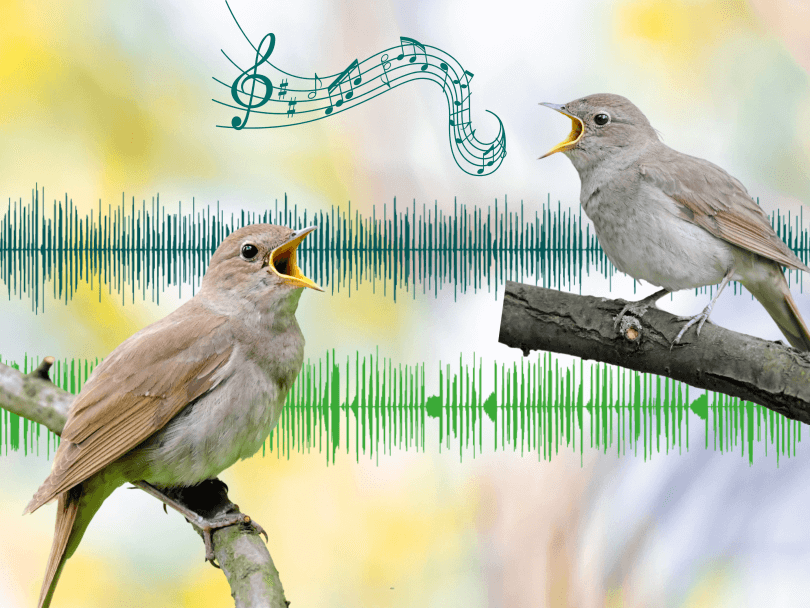
Whistling birds and singing birds both communicate through sounds, but their vocal patterns can be quite different. A whistle is usually clear, sharp, and made up of simple notes, while a bird song may include several complex sounds, repeated melodies, and different vocal patterns. These sounds help birds communicate effectively in their natural surroundings.
Many bird species can produce both whistles and songs depending on the situation. During breeding seasons, some birds create longer and more complex songs to attract mates, while shorter whistles may be used for daily communication. Understanding these differences helps explain why people searching for whistleblew bird often become interested in the wider world of bird sounds.
Popular Birds Known for Beautiful Whistles
Several bird species around the world are recognized for their impressive whistling abilities. The Malabar Whistling Thrush is one of the most famous examples because its call sounds similar to a person creating a gentle whistle. Found in parts of South Asia, this bird is admired by birdwatchers for its clear, flute-like voice and unique personality.
The Golden Whistler is another well-known bird with a powerful and musical call. Other species, including the Rufous Whistler, Wood Thrush, and Song Thrush, are also appreciated for their beautiful vocal performances. These real birds represent the types of species that people may associate with the idea behind the whistleblew bird keyword.
Common Misconceptions About Whistleblew Bird
One common misunderstanding is that the whistleblew bird is an officially named bird species. Because the phrase sounds like a natural bird name, many people assume it appears in scientific records. However, there is currently no recognized species with this exact name, making it important to verify information through reliable wildlife sources.
Another misconception is that all birds with whistle-like calls belong to the same group. In reality, many unrelated bird families have developed unique vocal abilities through evolution. Their whistles serve different purposes, from finding partners to communicating with other birds. Learning these facts provides a clearer understanding of real bird behavior.
Fun Facts About Whistling Birds
Whistling birds have some of the most fascinating abilities in the animal world. Certain species can copy sounds from their environment, including human-made noises, other birds, and even electronic sounds. This ability comes from their advanced vocal learning skills and helps them communicate effectively within their surroundings.
Some whistling birds also develop unique variations in their calls depending on their location. Similar to human accents, birds from different areas may have slightly different sounds. These amazing characteristics explain why people are fascinated by bird whistles and why searches related to terms like whistleblew bird continue to attract attention.
Why Whistling Birds Are Important in Nature
Bird songs and whistles play an important role in maintaining natural ecosystems. These sounds help birds communicate, establish territories, locate family members, and find suitable partners. By studying bird calls, researchers can learn more about bird populations, migration patterns, and environmental changes.
Protecting habitats is essential for preserving these incredible creatures and their unique sounds. Forests, wetlands, and natural areas provide safe environments where whistling birds can survive and continue their communication patterns. Understanding bird behavior encourages people to appreciate wildlife and support conservation efforts.
Conclusion
The term whistleblew bird may appear to describe a special bird species, but it is not currently recognized as an official bird name. Instead, it represents the curiosity surrounding birds with beautiful whistle-like sounds and the interest people have in understanding unique bird calls. Exploring the meaning behind this phrase helps separate online expressions from scientific facts.
Real whistling birds such as the Malabar Whistling Thrush, Golden Whistler, and other songbirds demonstrate the incredible diversity of nature. Their voices remind us how fascinating the natural world can be. Whether you are a birdwatcher or simply curious about unusual animal sounds, learning about these species provides a deeper appreciation for birds and their remarkable abilities.
FAQs
What is Whistleblew Bird?
Whistleblew Bird is not an officially recognized bird species. The phrase is mainly an online term associated with birds that produce whistle-like sounds or creative descriptions of musical bird calls.
Is Whistleblew Bird a real bird species?
No, there is currently no scientific record of a bird species officially named Whistleblew Bird. The phrase is likely connected with real whistling birds rather than a specific classified species.
Why do people search for Whistleblew Bird?
People search for Whistleblew Bird because they want to understand its meaning and discover whether it refers to a real bird. Many users are interested in birds known for unique whistle sounds.
Which bird whistles like a human?
Several birds can create human-like whistles, including the Malabar Whistling Thrush, Golden Whistler, and some songbirds. Their clear and musical calls often surprise listeners.
What is the most famous whistling bird?
The Malabar Whistling Thrush is one of the most famous whistling birds because of its beautiful, flute-like sound. It is highly admired by bird enthusiasts and nature photographers.
Can birds learn human whistles?
Yes, some birds can imitate human whistles and other sounds from their environment. Birds with strong vocal learning abilities are especially skilled at copying sounds they hear regularly.
How can I identify a bird by its sound?You can identify birds by recording their calls, comparing sounds with bird guides, using identification apps, and observing the bird’s habitat. Combining sound and visual clues provides better accuracy.
You May Also Read: Encuentra El Ritmo Meaning