Glamping Economy: Complete Guide to Market Size, Growth, Trends, Business Opportunities & Future Outlook

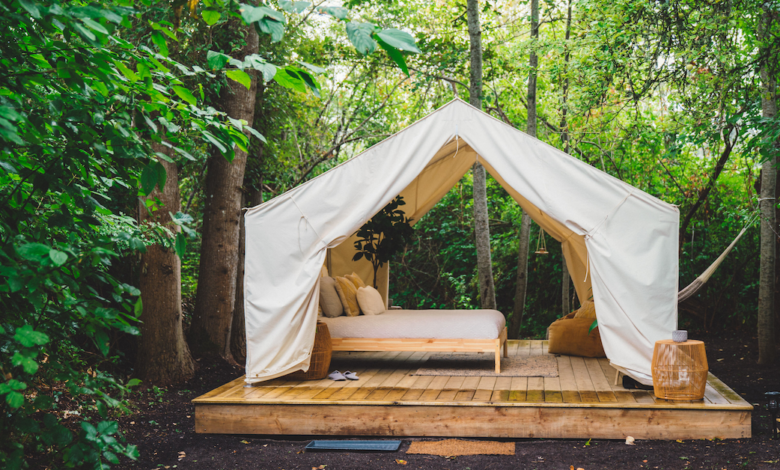
The Glamping Economy has emerged as one of the most exciting segments of the global travel and hospitality industry. Combining luxury accommodations with the beauty of nature, glamping appeals to travelers seeking memorable outdoor experiences without sacrificing comfort. From luxury safari tents and treehouses to eco-friendly cabins and geodesic domes, glamping has transformed traditional camping into a premium travel experience that attracts families, couples, solo adventurers, and remote workers alike.
As consumer preferences continue shifting toward experiential travel, the Glamping Economy is expanding rapidly across the United States and worldwide. Travelers increasingly value unique accommodations, sustainable tourism, and personalized experiences over conventional hotel stays. This growing demand has encouraged entrepreneurs, investors, and hospitality businesses to develop innovative glamping destinations that blend modern amenities with breathtaking natural surroundings while creating new economic opportunities.
What Is the Glamping Economy?
The Glamping Economy refers to the complete ecosystem of businesses, investments, services, suppliers, and consumer spending connected to luxury camping experiences. It includes accommodation providers, equipment manufacturers, travel agencies, digital booking platforms, outdoor activity operators, and local communities that benefit from the increasing popularity of premium outdoor tourism. Together, these participants contribute to a fast-growing industry that supports economic development and sustainable travel.
Unlike traditional camping, glamping focuses on providing hotel-like comfort in natural environments. Guests enjoy comfortable beds, private bathrooms, climate control, Wi-Fi, gourmet dining, and stylish interiors while remaining connected to nature. This combination of luxury and adventure attracts travelers who may not enjoy conventional camping but still want to experience scenic landscapes, wildlife, and outdoor recreation without compromising convenience.
Glamping Market Size and Industry Growth
The global glamping industry has experienced impressive growth over the past several years, driven by changing travel preferences and increased interest in outdoor vacations. Rising disposable incomes, flexible work arrangements, and greater awareness of wellness tourism have encouraged more people to choose luxury camping experiences over traditional accommodations. This steady demand continues to attract investors looking for profitable opportunities within the outdoor hospitality sector.
Market growth is also supported by the increasing popularity of eco-tourism and sustainable travel practices. Governments, tourism organizations, and private businesses are investing in environmentally responsible accommodations that appeal to modern travelers. As infrastructure improves and more destinations enter the market, the Glamping Economy is expected to remain one of the fastest-growing sectors in the global tourism industry, creating significant opportunities for businesses and local communities.
Major Trends Shaping the Glamping Economy
Several important trends continue to influence the development of the Glamping Economy. Sustainability has become a major priority, with many operators using renewable energy, eco-friendly construction materials, water conservation systems, and waste reduction programs. Travelers increasingly prefer accommodations that protect natural resources while providing unforgettable experiences, encouraging businesses to adopt environmentally responsible practices that strengthen both their reputation and long-term profitability.
Technology is another driving force behind industry growth. Modern glamping businesses offer online booking platforms, contactless check-in, mobile guest services, smart cabins, and personalized digital experiences that improve convenience and customer satisfaction. Social media has also played a significant role by inspiring travelers to discover unique destinations through visually appealing content, helping glamping operators attract wider audiences and build stronger brand recognition.
Business Opportunities in the Glamping Economy
The Glamping Economy offers outstanding opportunities for entrepreneurs seeking to enter the growing hospitality market. Investors can develop luxury campsites, boutique resorts, eco-lodges, treehouse accommodations, tiny homes, or safari-style tent experiences tailored to different traveler preferences. Choosing an attractive location with strong tourism demand can significantly improve occupancy rates while creating memorable guest experiences that encourage repeat visits.
Beyond accommodations, business owners can expand their revenue through guided nature tours, outdoor adventure activities, wellness retreats, farm-to-table dining, equipment rentals, weddings, and corporate events. Diversifying services helps businesses reduce seasonal fluctuations while increasing customer satisfaction and profitability. As consumer demand for experiential travel continues rising, innovative entrepreneurs have numerous opportunities to build successful brands within the expanding glamping industry.
Startup Costs and Investment Requirements
Starting a glamping business requires careful financial planning because the initial investment can vary depending on the location, accommodation style, and level of luxury offered. Common startup expenses include purchasing or leasing land, preparing the site, installing utilities, constructing guest accommodations, and obtaining permits, insurance, and necessary licenses. Investing in quality infrastructure from the beginning helps create a safe and memorable experience for visitors.
Business owners should also budget for furnishings, landscaping, marketing campaigns, reservation software, maintenance equipment, and employee training. Although the upfront costs may seem substantial, proper planning and market research can reduce financial risks. Entrepreneurs who select desirable destinations, understand customer expectations, and develop unique experiences often position themselves for long-term success within the growing Glamping Economy.
Revenue Streams and Profit Potential
One of the greatest strengths of the glamping industry is its ability to generate income from multiple revenue streams. In addition to nightly accommodation bookings, operators can earn revenue through premium packages, outdoor adventures, guided hiking tours, wellness retreats, equipment rentals, photography sessions, and locally inspired dining experiences. These additional services improve the guest experience while increasing average spending per visitor throughout the year.
Seasonal promotions, family vacation packages, romantic getaway deals, and loyalty programs also contribute to stronger occupancy rates and repeat business. Positive online reviews and customer referrals further enhance profitability by attracting new guests without significantly increasing marketing costs. Businesses that consistently deliver exceptional hospitality and personalized experiences often enjoy higher customer retention and sustainable financial growth over time.
Challenges Facing the Glamping Economy
Although the Glamping Economy continues to expand, operators face several challenges that require careful planning and strategic decision-making. Seasonal fluctuations, unpredictable weather, rising construction costs, and changing travel trends can influence occupancy rates and operating expenses. Business owners must remain flexible and prepared to adapt their services to evolving customer preferences while maintaining high-quality standards throughout every season.
Environmental regulations and sustainability expectations also present important responsibilities for glamping operators. Protecting natural landscapes, reducing waste, conserving water, and supporting local communities have become essential parts of running a successful outdoor hospitality business. Companies that balance luxury with environmental responsibility are more likely to earn customer trust, strengthen their reputation, and achieve lasting success in an increasingly competitive marketplace.
Future Outlook of the Glamping Economy
The future of the Glamping Economy appears exceptionally promising as travelers continue prioritizing unique experiences over traditional vacations. Growing interest in eco-tourism, wellness travel, digital nomad lifestyles, and outdoor recreation is expected to fuel continued industry expansion. As younger generations seek authentic and memorable travel experiences, demand for luxury camping accommodations will likely remain strong across domestic and international markets.
Technological innovation and sustainable business practices will continue shaping the industry’s future. Smart accommodations, renewable energy systems, personalized guest experiences, and environmentally friendly operations are becoming competitive advantages rather than optional features. Businesses that embrace innovation while maintaining exceptional customer service will be well positioned to benefit from the long-term growth of the global glamping market.
Conclusion
The Glamping Economy has redefined modern outdoor travel by combining luxury, comfort, sustainability, and adventure into one exceptional hospitality experience. Its rapid growth demonstrates that travelers increasingly value meaningful experiences that allow them to reconnect with nature without giving up modern conveniences. This transformation has created exciting opportunities for entrepreneurs, investors, tourism organizations, and local communities around the world.
As market demand continues to increase, the glamping industry offers outstanding potential for innovation and long-term profitability. Businesses that focus on customer satisfaction, sustainable development, and unique accommodations can establish a strong competitive advantage. Whether you are planning to launch a glamping resort or simply exploring industry trends, understanding the Glamping Economy provides valuable insights into one of the fastest-growing sectors in global tourism.
FAQs
What is the Glamping Economy?
The Glamping Economy is the network of businesses, investments, services, and consumer spending related to luxury camping and premium outdoor accommodations that combine nature with modern comfort.
Why is the glamping market growing?
The market is expanding because travelers increasingly seek unique experiences, eco-friendly accommodations, wellness tourism, and memorable vacations that offer greater comfort than traditional camping.
Is starting a glamping business profitable?
Yes. A well-managed glamping business can generate strong profits through accommodation bookings, outdoor activities, special events, dining services, wellness packages, and premium guest experiences.
What types of accommodations are used in glamping?
Popular accommodations include safari tents, luxury cabins, yurts, geodesic domes, treehouses, tiny homes, eco-lodges, and upscale RV sites equipped with modern amenities.
What factors contribute to long-term success in the glamping industry?
Success depends on selecting the right location, delivering outstanding customer service, investing in sustainable practices, maintaining high-quality facilities, and adapting to changing travel trends and guest expectations.
You May Also Read: Peer Academic Leader