If you’ve recently searched for “best Cubano sandwich near me,” you are probably craving something warm, crispy, and packed with bold flavor. The Cubano sandwich is not just another deli item—it is a cultural icon that represents Cuban heritage, Miami street food culture, and the art of perfectly balanced comfort food. With its golden pressed bread, savory roasted pork, melted Swiss cheese, tangy pickles, and mustard, it delivers a flavor experience that feels both simple and deeply satisfying.
The popularity of the Cubano sandwich has expanded far beyond Cuba and Florida. Today, it is featured in restaurants, cafés, and food trucks around the world. Food lovers appreciate it because it combines strong textures and flavors in a way that few other sandwiches can match. The crispiness of the bread, the juiciness of the pork, and the sharpness of mustard create a perfect harmony in every bite.
This guide will help you understand what makes a Cubano sandwich authentic, how to find the best one near you, and what to look for when choosing a restaurant. Whether you are a first-time taster or a long-time fan, this article will help you enjoy the true essence of this legendary sandwich.
What Is a Cubano Sandwich?
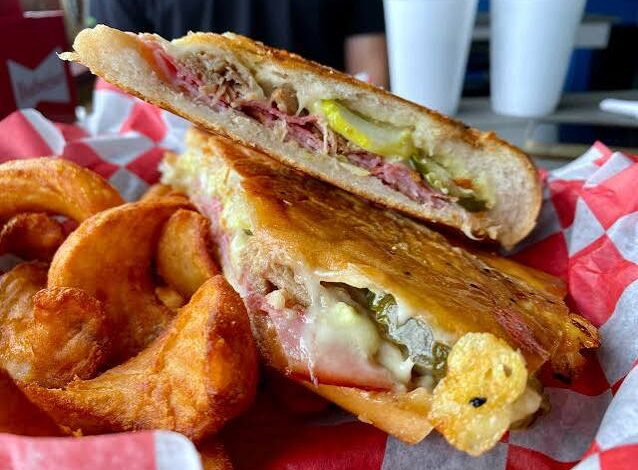
The Cubano sandwich, also known as the Cuban sandwich, is a pressed sandwich traditionally made with Cuban bread, roasted pork (lechón), ham, Swiss cheese, pickles, and mustard. It is grilled until the bread becomes crispy on the outside while the inside turns warm, soft, and melted. The result is a sandwich that is crunchy, juicy, tangy, and savory all at once.
The origins of the Cubano sandwich trace back to Cuban immigrants who settled in Florida, especially in cities like Miami and Tampa. These communities brought their culinary traditions with them, adapting local ingredients to create what we now know as the modern Cubano. Over time, it became a staple of Cuban-American cuisine and a symbol of cultural identity.
What makes the Cubano truly special is its simplicity combined with precision. Each ingredient plays a specific role. The roasted pork provides richness and depth, the ham adds saltiness, the Swiss cheese creates creaminess, and the pickles and mustard bring brightness and acidity. When pressed together, these ingredients transform into a perfectly balanced bite.
Unlike many sandwiches that are served cold or unpressed, the Cubano is always grilled or pressed. This technique allows the flavors to blend while giving the bread its signature crunch. The result is a sandwich that feels both rustic and refined at the same time.
Why People Search for “Best Cubano Sandwich Near Me”
The search for the best Cubano sandwich near me reflects a growing global interest in authentic street food and cultural dining experiences. In recent years, Cuban cuisine has gained popularity due to its bold flavors, simple preparation methods, and deep cultural roots. The Cubano sandwich, in particular, stands out as a must-try dish for food enthusiasts.
One major reason behind this search trend is the rise of food media and social platforms. Videos showing sandwiches being pressed to crispy perfection have gone viral on platforms like Instagram, TikTok, and YouTube. These visuals make people curious and eager to try the dish themselves at nearby restaurants.
Another reason is convenience. Modern diners prefer quick, satisfying meals that do not compromise on taste. The Cubano sandwich fits perfectly into this category. It is hearty enough to serve as a full meal yet quick enough to enjoy during a lunch break or casual outing. As a result, people often search for nearby locations that serve high-quality versions.
There is also a growing appreciation for authenticity. Many food lovers want to experience traditional recipes prepared the right way, not modified or overly modernized. Searching locally helps them discover restaurants that specialize in Cuban cuisine and use proper ingredients and cooking techniques.
How to Find the Best Cubano Sandwich Near You
Finding a truly great Cubano sandwich requires more than just picking the nearest restaurant. Start by using search engines with specific keywords like “authentic Cuban restaurant near me” or “best Cubano sandwich in [your location].” This helps narrow down places that actually specialize in Cuban cuisine rather than general fast food.
Customer reviews are extremely important. Look for feedback that mentions freshness, bread quality, and pork tenderness. A great Cubano sandwich is often described as crispy, juicy, and well-balanced. If multiple customers mention dry meat or soggy bread, it may be a sign to avoid that place.
Food delivery apps also make the search easier. These platforms allow you to compare restaurants based on ratings, menu photos, and customer comments. Photos are especially helpful because they show whether the sandwich is properly pressed and freshly made.
Social media is another powerful tool. Many food bloggers and local reviewers highlight hidden gems that may not appear at the top of search results. Instagram reels and TikTok reviews often showcase real-time reactions to sandwiches, helping you identify the best spots quickly.
What Makes the Best Cubano Sandwich?
The best Cubano sandwich starts with high-quality ingredients. Cuban bread is essential—it should be light, slightly crispy, and fresh. Without the right bread, the entire sandwich loses its authenticity. Roasted pork is another key ingredient; it should be slow-cooked, tender, and flavorful, often marinated with garlic and citrus-based seasoning.
The pressing technique is equally important. A proper Cubano is pressed until the exterior becomes golden and crispy while the inside remains soft and melted. If over-pressed, it becomes dry; if under-pressed, it lacks texture. Skilled chefs know how to achieve the perfect balance.
Flavor harmony is what makes this sandwich exceptional. The saltiness of ham, creaminess of Swiss cheese, tanginess of pickles, and sharpness of mustard all work together. Each bite should feel balanced rather than overwhelming in one direction.
Presentation also matters. A freshly made Cubano should be served hot, often cut diagonally to reveal its layered interior. The aroma alone is enough to make it irresistible.
Variations of the Cubano Sandwich
While the classic Cubano remains the most popular version, many variations exist today. The Miami-style Cubano is the most traditional and widely recognized version, featuring all original ingredients in their purest form.
Some restaurants offer spicy versions, adding jalapeños or spicy sauces to enhance the heat level. Others experiment with gourmet variations, using artisan bread, premium meats, or truffle-infused sauces.
There are also modern fusion Cubanos, which may include plant-based meats or creative ingredients for vegetarian diners. While these variations differ from the original, they show how versatile the sandwich has become globally.
Health and Nutritional Considerations
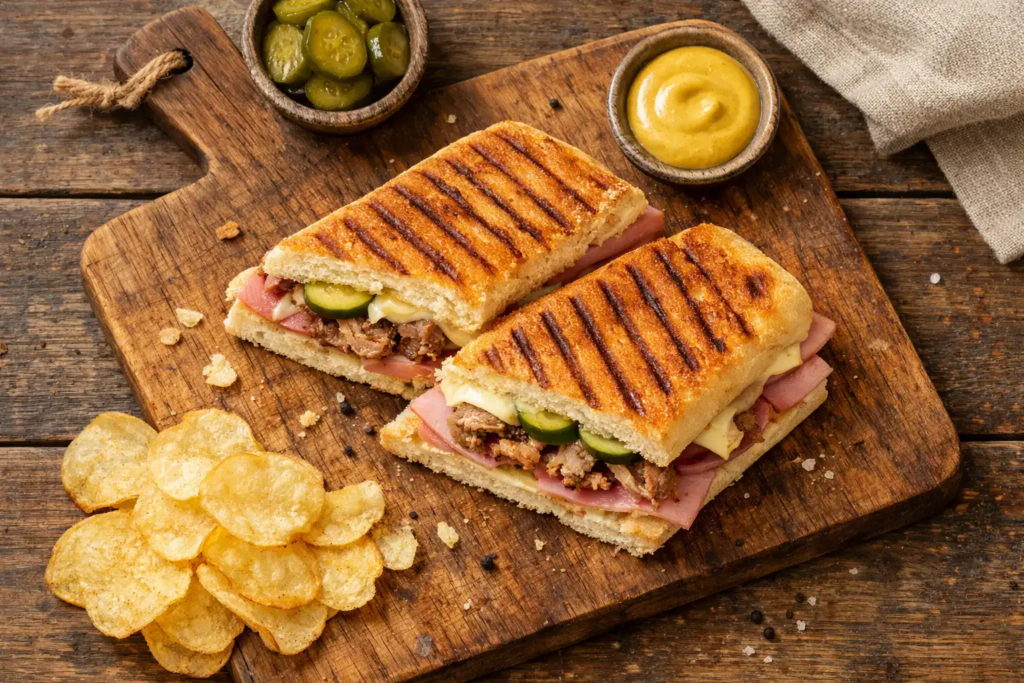
The Cubano sandwich is a protein-rich meal due to its combination of pork, ham, and cheese. It provides energy and keeps you full for longer periods, making it ideal for a hearty lunch.
However, it is also relatively high in calories and sodium due to cheese, processed meats, and butter used in grilling. For those watching their diet, moderation is key. Pairing it with lighter sides like salads or fresh juice can help balance the meal.
Despite its richness, the Cubano can still be part of a balanced diet when enjoyed occasionally and paired with healthy lifestyle choices.
Best Side Dishes and Pairings
The Cubano sandwich pairs well with simple but flavorful sides. Common options include plantain chips, fries, or yuca. These sides complement the sandwich’s rich texture without overpowering it.
For drinks, traditional Cuban coffee is a popular choice. Its strong, bold flavor balances the richness of the sandwich. Fresh juices or soda also work well for a refreshing contrast.
Together, these pairings create a complete Cuban-inspired dining experience.
Conclusion
The Cubano sandwich is more than just a meal—it is a cultural experience that reflects Cuban heritage and culinary tradition. Its combination of crispy bread, savory pork, melted cheese, and tangy pickles creates a flavor profile that is both simple and unforgettable.
When searching for the best Cubano sandwich near me, focus on authenticity, ingredient quality, and customer reviews. The right restaurant will deliver a sandwich that is freshly pressed, perfectly balanced, and full of flavor.
Exploring this iconic dish is not just about satisfying hunger—it is about enjoying a piece of Cuban culture in every bite.
FAQs
What is a Cubano sandwich made of?
It is made with roasted pork, ham, Swiss cheese, pickles, mustard, and Cuban bread.
What makes a Cubano sandwich authentic?
Authentic Cubanos use traditional Cuban bread, slow-roasted pork, and are properly pressed.
Where can I find the best Cubano sandwich near me?
Look for Cuban restaurants, Latin cafés, or highly rated sandwich shops in your area.
Is a Cubano sandwich always pressed?
Yes, pressing is essential to achieve its signature crispy texture.
What cheese is used in a Cubano?
Swiss cheese is the traditional choice.
Is the Cubano sandwich healthy?
It is high in protein but also high in calories, so moderation is recommended.
What drinks pair well with it?
Cuban coffee, soda, or fresh juices pair best.
Can I find vegetarian Cubanos?
Yes, some restaurants offer plant-based versions with alternative fillings.
What is the difference between a Cubano and a regular sandwich?
A Cubano is pressed, uses specific ingredients, and has a distinct Cuban flavor profile.
Why is it so popular?
Because of its perfect balance of crispy texture and bold, savory flavors.
You May Also Read: VocalNewsMedia Com