The Spanish phrase Encuentra El Ritmo has become increasingly popular among language learners, music enthusiasts, and internet users searching for its true meaning. Literally translated as “Find the Rhythm,” this expression carries a much deeper message than its direct English equivalent. It is commonly used to encourage someone to discover their natural pace, improve their confidence, or adapt to a new situation. Because of its positive and motivational meaning, the phrase appears in conversations, educational materials, music, and even online puzzle games.
Understanding Encuentra El Ritmo is valuable for anyone learning Spanish or exploring Hispanic culture. The phrase reflects the importance of rhythm not only in music and dance but also in everyday life. This guide explains its meaning, English translation, pronunciation, and cultural significance while helping readers understand when and how to use the expression naturally. Whether you are studying Spanish or simply curious about the phrase, this article provides everything you need to know.
What Does Encuentra El Ritmo Mean?
The direct English translation of Encuentra El Ritmo is “Find the Rhythm.” While this literal meaning is correct, the phrase often carries a figurative interpretation that goes beyond music. In many situations, it encourages someone to discover the right pace, establish a routine, or become comfortable with a new activity. It represents progress, confidence, and the ability to adapt while maintaining steady momentum toward a goal.
Native Spanish speakers frequently use Encuentra El Ritmo in motivational conversations because it inspires people to continue practicing until everything begins to feel natural. A teacher might use it to encourage students, a coach may say it during training, or a musician could use it when helping beginners improve their timing. Its flexibility makes it one of the most meaningful expressions related to personal growth and learning.
English Translation of Encuentra El Ritmo
Although “Find the Rhythm” is the most accurate translation, English speakers may also understand Encuentra El Ritmo through expressions such as “Find Your Flow,” “Get Into the Groove,” or “Find Your Pace.” Each version communicates a similar message while fitting naturally into different situations. Selecting the right translation depends on the context in which the phrase is being used rather than relying only on word-for-word translation.
For example, in a dance class, “Find the Rhythm” is the perfect translation because it refers directly to music and movement. However, when discussing work, education, or sports, phrases like “Find Your Flow” or “Find Your Pace” often sound more natural in English. Understanding these variations helps language learners communicate more effectively while appreciating the richness of Spanish expressions.
Pronunciation of Encuentra El Ritmo
Correct pronunciation is an important part of learning any language, and Encuentra El Ritmo is no exception. Spanish pronunciation is generally consistent because each vowel has a clear sound and words are spoken exactly as they are written. Speaking the phrase slowly at first allows learners to hear each syllable clearly before increasing their speed through regular practice.
English speakers often improve their pronunciation by listening to native Spanish speakers, repeating the phrase aloud, and practicing in realistic conversations. Paying attention to rhythm, vowel sounds, and natural word stress helps create smoother pronunciation over time. With regular practice, learners become more confident using Encuentra El Ritmo naturally in both spoken and written communication.
Cultural Meaning and Everyday Usage
The cultural meaning of Encuentra El Ritmo extends far beyond its dictionary definition. Throughout Spanish-speaking communities, the phrase symbolizes balance, perseverance, and personal development. Rather than simply referring to musical rhythm, it encourages individuals to discover their own comfortable pace in life, whether they are starting a new career, learning a language, or facing personal challenges.
In everyday conversations, the phrase is often used as positive encouragement. Parents may tell children to “find their rhythm” while learning new skills, coaches motivate athletes with the expression during training sessions, and friends use it to support someone adjusting to a new environment. Because its message is universal and uplifting, Encuentra El Ritmo remains one of the most memorable Spanish expressions used across different cultures.
Encuentra El Ritmo in Music and Dance
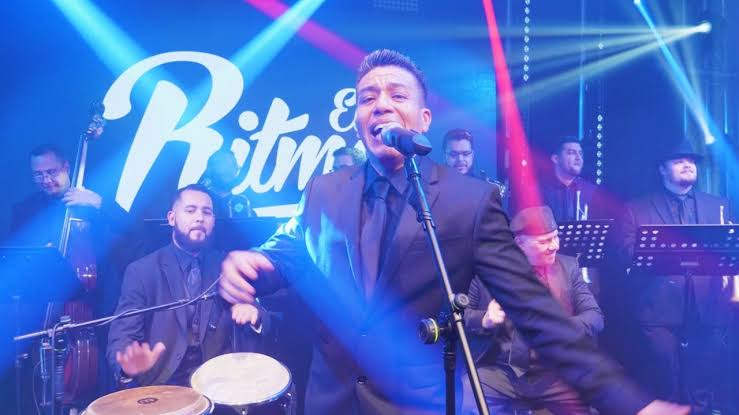
Music is the first thing many people think of when they hear Encuentra El Ritmo, and for good reason. Rhythm is the foundation of every musical performance, helping singers, musicians, and dancers stay synchronized. The phrase encourages performers to listen carefully, follow the beat, and move with confidence. Whether someone is learning salsa, bachata, tango, or another dance style, understanding the rhythm is essential for improvement and enjoyment.
The expression also carries emotional meaning in the performing arts. Instead of simply following a beat, finding the rhythm means connecting with the music and expressing emotions naturally. Dance instructors and music teachers often use the phrase to inspire beginners who feel nervous or unsure. As confidence grows, students begin to perform more naturally, showing how rhythm supports both technical skills and artistic creativity.
Encuentra El Ritmo in Popular Culture
Over the years, Encuentra El Ritmo has appeared in songs, television programs, language-learning materials, and social media content. Motivational speakers and content creators also use the phrase because it encourages people to overcome challenges and develop confidence. Its positive message makes it appealing to audiences of different ages and backgrounds, allowing it to remain relevant across multiple forms of media.
The phrase has also gained attention among people learning Spanish as a second language. Educational websites, online courses, and cultural resources frequently include it as an example of an expression that combines literal and figurative meaning. Because it is easy to remember and meaningful in many situations, Encuentra El Ritmo continues to grow in popularity among international audiences.
Encuentra El Ritmo in NYT Strands
Interest in Encuentra El Ritmo increased significantly after it appeared as a theme in the New York Times Strands puzzle. Many English-speaking players searched for the phrase because they wanted to understand its meaning before solving the puzzle. The theme focused on rhythm-related words, encouraging players to think about music, dance, and cultural expressions connected to rhythm.
The appearance of the phrase in a widely recognized word puzzle introduced it to thousands of new readers. As a result, searches for its translation, pronunciation, and cultural significance increased online. This growing interest demonstrates how games and educational activities can inspire curiosity about foreign languages while helping people discover meaningful expressions from different cultures.
Examples of Encuentra El Ritmo in Sentences
Learning through examples makes it easier to understand how Encuentra El Ritmo works in everyday communication. A dance instructor might say, “Relax and find the rhythm before learning the next step.” A sports coach could encourage players by saying, “Once you find your rhythm, everything becomes easier.” These examples demonstrate how the phrase motivates people to become comfortable with new experiences.
The expression can also describe progress outside music or sports. Someone beginning a new job may initially struggle before eventually finding a comfortable routine. Students preparing for important exams often hear similar encouragement from teachers. In each situation, the phrase represents confidence, improvement, and the ability to adapt successfully through patience and practice.
Conclusion
Encuentra El Ritmo is much more than a simple Spanish phrase meaning “Find the Rhythm.” It represents personal growth, confidence, adaptability, and the importance of discovering a comfortable pace in life. While it has strong connections to music and dance, its figurative meaning makes it valuable in education, sports, work, and many other areas of everyday life. This versatility explains why the expression continues to attract attention among language learners and online audiences.
Understanding the meaning, translation, pronunciation, and cultural significance of Encuentra El Ritmo helps learners appreciate both the Spanish language and Hispanic culture. By practicing the phrase regularly and recognizing its different uses, anyone can communicate more naturally while gaining a deeper understanding of one of Spanish’s most inspiring expressions.
FAQs
What does Encuentra El Ritmo mean in English?
Encuentra El Ritmo translates directly as “Find the Rhythm.” Depending on the situation, it may also mean “Find Your Flow” or “Find Your Pace,” especially when describing personal progress or adapting to a new challenge.
Is Encuentra El Ritmo only related to music?
No. Although it is closely connected with music and dance, the phrase is also used in education, sports, work, and personal development. It encourages people to become comfortable, confident, and consistent in whatever they are doing.
How do you pronounce Encuentra El Ritmo?
The phrase follows standard Spanish pronunciation, where each vowel has a clear sound and words are spoken as written. Listening to native speakers and repeating the phrase regularly helps improve pronunciation and speaking confidence.
Why did Encuentra El Ritmo become popular online?
The phrase gained additional popularity after appearing in the New York Times Strands puzzle and through its frequent use in music, language-learning resources, and social media. These appearances introduced it to a wider English-speaking audience interested in Spanish expressions.
Can beginners use Encuentra El Ritmo in conversation?
Yes. The phrase is simple, positive, and widely understood. Beginners can confidently use it when encouraging someone, discussing music or dance, or describing the process of becoming comfortable with a new skill or routine.
You May Also Read: Brume Blog