Peer Academic Leader: Complete Guide to Roles, Responsibilities, Qualifications, Skills, Benefits & Career Opportunities

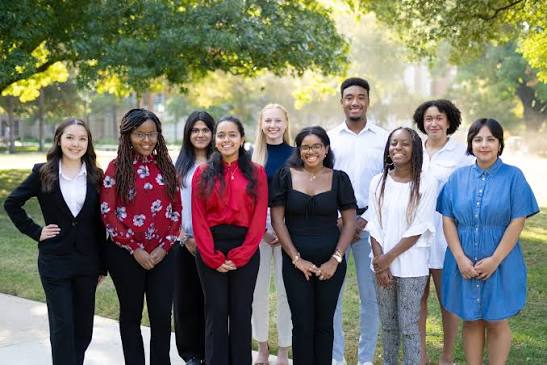
A Peer Academic Leader is an experienced student who helps classmates succeed academically and socially by providing guidance, encouragement, and practical support. Many colleges and universities use peer leadership programs to create a stronger sense of community while helping students adjust to the challenges of higher education. These programs encourage collaborative learning, improve retention rates, and help students feel more connected to campus resources and academic opportunities.
The role of a Peer Academic Leader has become increasingly important as universities focus on student engagement and personalized support services. Peer leaders understand the everyday struggles of balancing coursework, extracurricular activities, and personal responsibilities because they have experienced those challenges themselves. Their ability to relate to fellow students makes them approachable mentors who can offer realistic advice, effective study strategies, and encouragement that helps students build confidence and achieve their educational goals.
What Is a Peer Academic Leader?
A Peer Academic Leader is a student mentor who assists other students through academic guidance, study support, and leadership activities. Unlike professors or academic advisors, peer leaders interact with students in a more informal and supportive environment, making it easier for students to ask questions and seek help. They often work with first-year students, transfer students, or students enrolled in challenging courses where additional support can significantly improve learning outcomes.
The primary purpose of a Peer Academic Leader program is to promote student success through peer-to-peer learning and mentorship. These leaders help students develop effective study habits, improve time management skills, and navigate university expectations with greater confidence. By creating welcoming learning spaces and encouraging collaboration, peer leaders contribute to a positive academic culture that benefits both individual students and the broader campus community.
Roles and Responsibilities of a Peer Academic Leader
The responsibilities of a Peer Academic Leader extend far beyond simply answering academic questions. Peer leaders organize study groups, facilitate discussions, encourage participation during workshops, and help students break down complex course concepts into manageable steps. They also motivate students to remain engaged in their coursework and develop independent learning skills that will support long-term academic achievement.
In addition to academic support, a Peer Academic Leader often serves as a bridge between students and university resources. They may refer students to tutoring centers, counseling services, career offices, or academic advising departments when additional assistance is needed. By maintaining regular communication with faculty and program coordinators, peer leaders help ensure that students receive timely support and feel connected to the broader educational community.
Qualifications and Skills Needed
Most universities require applicants for a Peer Academic Leader position to maintain a strong academic record and demonstrate leadership potential. A solid GPA, positive faculty recommendations, and previous involvement in campus activities are often important factors during the selection process. Institutions look for students who are responsible, dependable, and committed to helping others succeed in an academic setting.
Strong communication skills are essential for every Peer Academic Leader because they must explain ideas clearly, listen actively, and respond thoughtfully to student concerns. Additional valuable skills include organization, empathy, problem-solving, teamwork, and adaptability. Many universities provide specialized training programs that teach peer leaders how to facilitate discussions, support diverse learners, handle sensitive situations professionally, and create inclusive learning environments where all students feel respected and encouraged.
Benefits of Becoming a Peer Academic Leader
Serving as a Peer Academic Leader offers significant personal and professional benefits. Students who participate in these programs often report increased confidence, stronger public speaking abilities, and improved leadership skills. The experience of guiding classmates through academic challenges helps peer leaders develop patience, empathy, and interpersonal skills that are valuable in both educational and workplace settings.
The role also enhances a student’s resume and can strengthen applications for internships, graduate programs, scholarships, and future employment opportunities. Employers frequently seek candidates who have demonstrated leadership, mentoring experience, and the ability to work collaboratively with diverse groups of people. By serving as a Peer Academic Leader, students gain practical experience that can provide a competitive advantage in many career fields.
Career Opportunities After Serving as a Peer Academic Leader

The skills developed through a Peer Academic Leader program can lead to a wide range of career opportunities. Many former peer leaders pursue careers in education, student affairs, academic advising, counseling, or higher education administration because they enjoy supporting students and working in educational environments. The experience also provides a strong foundation for roles that involve training, coaching, and leadership development.
Beyond education, employers in business, healthcare, nonprofit organizations, and corporate settings value the transferable skills gained as a Peer Academic Leader. Communication, teamwork, conflict resolution, project coordination, and mentoring abilities are highly relevant in modern workplaces. Graduates who have served in peer leadership roles often find that they are better prepared to manage teams, collaborate effectively with colleagues, and contribute positively to organizational goals.
Challenges Peer Academic Leaders Face
Although the role is rewarding, every Peer Academic Leader encounters challenges while supporting students with different backgrounds, learning styles, and academic needs. Some students may struggle with motivation, anxiety, or time management, requiring peer leaders to demonstrate patience and adaptability. Maintaining a supportive environment while encouraging accountability can be a delicate balance that requires thoughtful communication and emotional intelligence.
Another common challenge involves balancing leadership responsibilities with personal academic commitments. A Peer Academic Leader must attend training sessions, lead study activities, and remain available to students while also managing coursework, exams, and extracurricular obligations. Developing effective organizational strategies and setting realistic priorities are essential for preventing burnout and maintaining strong academic performance throughout the semester.
Conclusion
A Peer Academic Leader plays a vital role in promoting student success, strengthening campus communities, and creating collaborative learning environments that encourage growth and achievement. Through mentoring, academic guidance, and leadership, peer leaders help students overcome challenges, develop confidence, and build skills that support long-term educational success. Their contributions benefit not only the students they mentor but also the universities that invest in peer leadership programs.
For students interested in developing leadership abilities and making a meaningful impact on others, becoming a Peer Academic Leader is an excellent opportunity. The experience provides valuable personal growth, professional development, and practical skills that remain useful long after graduation. Whether pursuing a career in education, business, healthcare, or another field, former peer leaders often discover that the knowledge and confidence gained through this role continue to support their future success.
FAQs
What is a Peer Academic Leader?
A Peer Academic Leader is a trained student who mentors classmates, provides academic support, and helps students access campus resources while encouraging collaborative learning and personal growth.
What does a Peer Academic Leader do?
They lead study sessions, facilitate discussions, offer academic guidance, promote effective study habits, and connect students with university support services when additional assistance is needed.
What qualifications are required for a Peer Academic Leader position?
Most universities require a strong GPA, leadership potential, communication skills, teamwork abilities, and a commitment to helping fellow students succeed academically.
Is a Peer Academic Leader the same as a tutor?
No. A tutor primarily focuses on subject-specific instruction, while a Peer Academic Leader combines academic support with mentoring, leadership, and broader student development guidance.
How does becoming a Peer Academic Leader help future careers?
The experience develops leadership, communication, mentoring, and collaboration skills that employers value across education, business, healthcare, nonprofit, and corporate industries.
You May Also Read: Brasssmile com