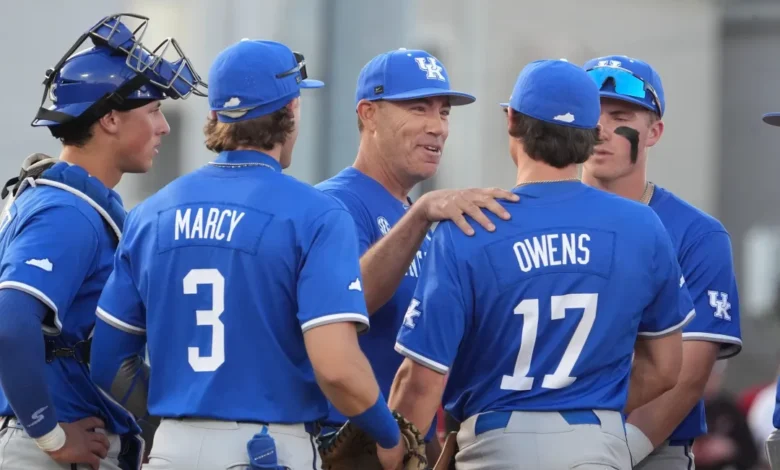
The NCAA baseball tournament projections have become one of the most closely followed topics in college sports, especially as the postseason approaches. Every year, fans, analysts, and teams eagerly track predictions to understand which programs are likely to make the 64-team field. These projections are not just guesses—they are based on detailed statistical models, rankings, and expert evaluations that assess team performance across the entire season.
College baseball is highly competitive, and small differences in wins, losses, and conference strength can determine whether a team makes the tournament or misses out entirely. Because of this, projections play a major role in shaping expectations long before the official bracket is announced. Fans often compare multiple prediction sources to see how their favorite teams are positioned in the race for postseason qualification.
Another reason NCAA baseball tournament projections are so important is the structure of the competition itself. Unlike some sports with fixed playoff formats, college baseball relies heavily on selection committees and subjective evaluation combined with data-driven metrics. This creates constant movement in rankings and makes projections a dynamic and evolving discussion throughout the season.
How NCAA Baseball Tournament Selection Works
The NCAA baseball tournament selection process is built on a combination of automatic qualifications and at-large selections. Each conference champion earns an automatic bid, while the remaining spots are filled by the selection committee based on performance metrics and overall strength of schedule. This structure ensures that both dominant conference teams and strong independent performers have a chance to compete.
One of the most important tools used in this process is the Ratings Percentage Index (RPI). This ranking system evaluates teams based on wins, losses, and the strength of their opponents. A high RPI significantly increases a team’s chances of receiving an at-large bid. However, it is not the only factor considered.
The selection committee also evaluates head-to-head results, road performance, and late-season momentum. Teams that finish strong often gain an advantage, even if their early-season performance was inconsistent. Conference strength also plays a major role, as teams from stronger conferences like the SEC or ACC often receive more bids due to tougher schedules.
Ultimately, the selection process is a balance of statistics and judgment. While numbers provide structure, human evaluation ensures context is considered, making NCAA baseball tournament projections both complex and highly debated.
Key Factors Influencing Tournament Projections
Several key factors influence NCAA baseball tournament projections, starting with overall win-loss records. Teams with strong records in competitive conferences naturally rank higher in projections. However, not all wins are equal, and quality of opponents plays a major role in shaping expectations.
Signature wins against ranked opponents are particularly important. These victories demonstrate a team’s ability to compete at a high level and often boost their tournament résumé. Conversely, losses to lower-ranked teams can significantly damage a team’s projection status, especially late in the season.
Advanced statistics also play a growing role in modern projections. Metrics such as ERA (Earned Run Average), OPS (On-base Plus Slugging), and team WAR (Wins Above Replacement) help analysts measure performance beyond basic win-loss records. These stats provide deeper insight into a team’s true strength.
Injuries and roster depth are also critical. A team with strong pitching depth is often favored in projections because pitching plays a major role in postseason success. Additionally, teams that show consistency throughout the season are more likely to maintain strong projection rankings than those with unpredictable performance swings.
Bubble Teams and At-Large Bid Predictions
One of the most exciting aspects of NCAA baseball tournament projections is the discussion around bubble teams. These are teams that are on the edge of qualification—some projected to make the tournament, others just outside the cutoff line. Their status can change rapidly based on late-season results.
Bubble teams often rely heavily on their final regular-season games and conference tournament performance. A strong finish can push a borderline team into the field, while a losing streak can eliminate them from contention. This creates high-stakes drama in the final weeks of the season.
Conference strength is especially important for bubble teams. A team with a solid record in a weaker conference may struggle to get selected over a team with a slightly worse record but stronger competition. This makes at-large selections one of the most debated aspects of the tournament.
Historically, every season includes surprise inclusions and controversial exclusions. Some teams are selected despite mediocre records due to strong metrics, while others with impressive win totals are left out due to weak schedules. This unpredictability keeps bubble discussions at the center of projection analysis.
Regional Hosts, Seeds & Bracket Structure
The NCAA baseball tournament is structured around 16 regional hosts, each of which includes four teams competing in a double-elimination format. The winners advance to the super regionals, and eventually, the College World Series in Omaha. Understanding this structure is essential when analyzing NCAA baseball tournament projections.
Earning a top seed or hosting a regional is a major advantage. Teams that host regionals typically perform better due to home-field familiarity and fan support. Seeding is determined based on overall performance, rankings, and strength of schedule throughout the season.
National seeds are considered the strongest teams in the field and are strategically placed in the bracket to avoid early matchups against each other. This system ensures competitive balance while rewarding top-performing teams with a theoretically easier path.
However, college baseball is known for upsets. Lower-seeded teams frequently outperform expectations in regional play, making the bracket unpredictable. This is why projections are constantly updated as the season progresses.
Top Contenders for the NCAA Baseball Tournament
Each year, certain powerhouse programs dominate NCAA baseball tournament projections. Teams from strong conferences such as the SEC, ACC, and Big 12 often appear at the top of rankings due to their competitive schedules and deep rosters.
These programs typically feature elite pitching staffs and powerful offensive lineups, making them strong national championship contenders. Their consistency throughout the season also helps them secure high seeds and favorable regional placements.
At the same time, mid-major programs often emerge as dark horses. These teams may not have the same national recognition, but strong records and key wins can earn them NCAA Baseball Tournament Projections spots and even upset victories in postseason play.
Player performance also heavily influences projections. Star pitchers and power hitters can significantly change a team’s outlook, especially in high-pressure postseason games.
Bracketology and Expert Projection Models

Bracketology is the process of NCAA Baseball Tournament Projections placements based on statistical models and expert analysis. In college baseball, analysts use a combination of RPI rankings, win-loss records, and strength-of-schedule metrics to build projected brackets.
Some models rely heavily on algorithms, while others incorporate human judgment. This creates differences between various projection sources, making comparison an important part of fan discussions.
While these models are often accurate, they are not perfect. Unexpected losses, injuries, and late-season momentum shifts can dramatically alter final selections. This unpredictability is what makes NCAA baseball projection analysis so engaging.
Road to Omaha: Championship Path Analysis
The ultimate goal of every team in the NCAA baseball tournament is reaching Omaha, home of the College World Series. The journey begins with regionals, followed by super regionals, and finally the national championship series.
Each stage becomes progressively more difficult, with stronger opponents and higher stakes. Pitching depth becomes crucial, as teams often play multiple games in short timeframes. Historical data shows that teams with strong bullpen depth and consistent hitting tend to perform best in Omaha.
Upsets are common throughout the NCAA Baseball Tournament Projections, making the path unpredictable. This is why projections only tell part of the story—actual performance on the field ultimately decides the champion.
Conclusion
NCAA baseball tournament projections provide a detailed and exciting preview of one of the most competitive postseason formats in college sports. By combining statistics, rankings, and expert analysis, these projections help fans understand which teams are likely to make the field and how the bracket may unfold.
However, the unpredictable nature of college baseball means that no projection is ever guaranteed. From bubble teams fighting for survival to top seeds chasing championship glory, every game has the potential to reshape the postseason picture.
FAQs
What are NCAA baseball tournament projections?
They are predictions of which teams will qualify and how they will be seeded.
How many teams make the tournament?
A total of 64 teams are selected each year.
What is a bubble team?
A bubble team is one that is on the edge of making or missing the tournament.
What is RPI?
RPI is a ranking system that measures team strength based on performance and schedule difficulty.
How are teams selected?
Teams are selected through automatic bids and at-large selections by a committee.
What is the Road to Omaha?
It refers to the journey teams take to reach the College World Series in Omaha.
You May Also Read: ETSJavaApp Release Date