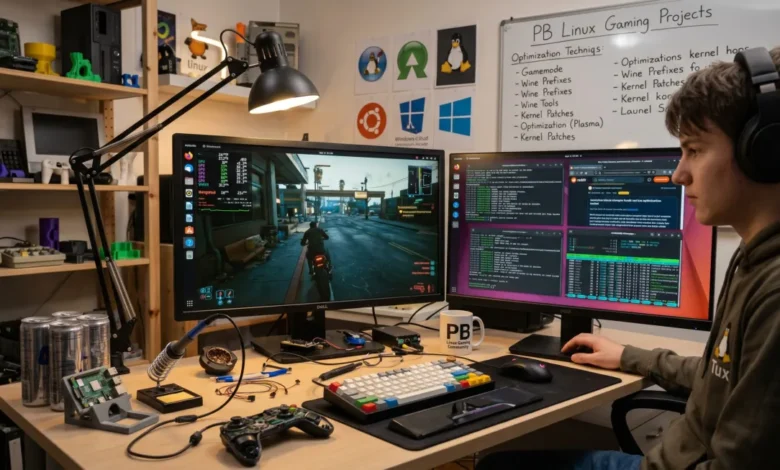
Linux gaming has grown from a niche hobby into a serious alternative to Windows gaming, thanks to modern compatibility layers, improved drivers, and a rapidly expanding open-source ecosystem. The term Tech Hacks PBLinuxGaming represents a practical approach to optimizing Linux systems specifically for gaming performance, stability, and compatibility. Instead of relying on default system settings, gamers now actively tweak and fine-tune their Linux setups to get smoother gameplay and higher frame rates.
The idea behind Tech Hacks PBLinuxGaming-style optimization is simple: Linux is powerful, but it requires configuration. Unlike Windows, where many gaming optimizations are automatic, Linux gives users full control over system performance. This includes everything from kernel selection to GPU drivers, CPU scheduling, and memory management. As a result, gamers who understand these “tech hacks” can often achieve performance that rivals or even exceeds traditional gaming setups.
Another major reason for the rise of Linux gaming is the growth of platforms like Steam Proton and the Steam Deck ecosystem. These advancements have made it easier than ever to run Windows games on Linux. However, to fully unlock this potential, users still need to apply performance tweaks and system optimizations. That is where Tech Hacks PBLinuxGaming techniques become essential for serious gamers looking to maximize their experience.
Setting Up Linux for Gaming Performance
The foundation of a high-performance Linux gaming system begins with choosing the right distribution. Popular gaming-friendly options include Pop!_OS, Ubuntu, Fedora, and Arch-based systems. These distributions offer strong driver support, regular updates, and compatibility with gaming tools. Each distribution has its own strengths, but the goal is the same: stability and performance for gaming workloads.
Once the operating system is installed, the next critical step is installing the correct GPU drivers. NVIDIA and AMD drivers play a major role in gaming performance. Proprietary drivers often provide better performance for NVIDIA GPUs, while AMD users benefit from strong open-source Mesa drivers. Keeping these drivers updated ensures compatibility with modern games and reduces graphical glitches or crashes.
Another important setup step is configuring gaming tools such as Steam, Proton, and Lutris. Steam Proton allows Windows games to run seamlessly on Linux, while Lutris helps manage multiple game platforms in one place. Additionally, using a gaming-optimized kernel can improve system responsiveness and reduce latency during gameplay. Storage also plays a role—installing games on SSDs instead of HDDs significantly reduces loading times and improves overall responsiveness.
Essential Tech Hacks for Better Gaming Performance
One of the most important aspects of Tech Hacks PBLinuxGaming is performance optimization. Linux allows deep system-level control, and small tweaks can lead to noticeable improvements in FPS and responsiveness. One widely used tool is GameMode by Feral Interactive, which automatically adjusts CPU and GPU performance when a game is running.
CPU and GPU tuning is another key area. By setting performance governors instead of power-saving modes, users can ensure maximum processing power during gaming sessions. Similarly, adjusting RAM usage and reducing unnecessary background processes helps free system resources for games, leading to smoother gameplay.
Graphics API selection also plays a major role. Vulkan has become a preferred option over OpenGL for many modern games due to its lower overhead and better performance efficiency. Switching to Vulkan where possible can significantly improve frame rates and reduce stuttering.
Fixing lag and input delay is another common focus. Tweaking system settings like swappiness, disabling unnecessary services, and optimizing compositor settings can greatly improve responsiveness. These small but powerful adjustments form the core of Linux gaming optimization strategies.
Advanced Linux Gaming Tweaks (Tech Hacks PBLinuxGaming Pro Tips)
For advanced users, Linux offers deeper customization options that can push gaming performance even further. One of the most powerful techniques is kernel tuning. Installing a low-latency or custom gaming kernel can reduce input delay and improve system responsiveness, especially in competitive games.
GPU overclocking is another advanced method, though it must be done carefully. On Linux, tools like GreenWithEnvy (for NVIDIA) allow users to adjust GPU clock speeds and fan curves for better performance. While risky if misconfigured, controlled overclocking can provide a noticeable FPS boost.
Wine and Proton configuration also play a critical role in compatibility and performance. Adjusting Proton versions, enabling DXVK, and fine-tuning compatibility settings can help run demanding Windows games more smoothly. Many gamers experiment with different Proton builds to find the best performance for specific titles.
Network optimization is another important factor for online gaming. Reducing ping through DNS tuning, enabling QoS settings, and using wired connections instead of Wi-Fi can significantly improve multiplayer gaming experiences. These advanced tweaks separate casual Linux users from performance-focused gamers.
Gaming Tools and Utilities for Linux
Linux gaming is supported by a growing ecosystem of tools designed to improve performance and compatibility. Steam Proton remains the most important tool, allowing thousands of Windows games to run on Linux without modification. Its continuous updates make it one of the core pillars of modern Linux gaming.
Lutris is another essential tool, acting as a universal game manager. It supports multiple platforms including Steam, Epic Games, GOG, and even emulators. This makes it easier for users to organize their gaming libraries in one place.
For performance monitoring, MangoHud is widely used. It displays real-time FPS, GPU usage, CPU load, and system temperatures directly in-game. This helps gamers identify performance bottlenecks and adjust settings accordingly.
OBS Studio is also commonly used for recording and streaming gameplay. Combined with hardware acceleration, it allows Linux users to create high-quality content without performance loss. These tools form the backbone of a fully optimized Linux gaming environment.
Troubleshooting Common Linux Gaming Issues
Even with optimizations, Linux gaming can sometimes present challenges. One common issue is game crashes due to missing dependencies or incompatible Proton versions. Switching Proton builds or installing required libraries often resolves these problems.
Graphics driver conflicts are another frequent issue. Incorrect or outdated drivers can cause stuttering, screen tearing, or crashes. Regular driver updates and proper configuration help prevent these issues.
Audio and controller problems can also occur, especially with newer games. Adjusting PulseAudio or PipeWire settings and configuring controller support through Steam Input usually fixes these issues. Screen tearing and frame pacing issues can often be resolved by enabling VSync or using compositor tweaks.
Future of Linux Gaming and Tech Hacks PBLinuxGaming Community
The future of Linux gaming looks increasingly promising. With the success of devices like the Steam Deck, Linux has proven itself as a viable gaming platform for both casual and serious gamers. This has led to increased investment in compatibility layers like Proton and Vulkan-based technologies.
As more developers optimize their games for cross-platform compatibility, Linux gaming will continue to improve. The open-source community also plays a major role, constantly developing tools and performance enhancements. The PBLinuxGaming-style optimization culture is part of this evolution, where users actively contribute to improving gaming performance through shared knowledge and experimentation.
Conclusion
Tech Hacks PBLinuxGaming represents a powerful approach to unlocking the full potential of Linux as a gaming platform. Through careful system setup, performance tuning, and advanced optimization techniques, gamers can achieve smooth and responsive gameplay even on demanding titles.
While Linux gaming still requires some technical knowledge, the tools and community support available today make it more accessible than ever. With continued development in drivers, compatibility layers, and gaming tools, Linux is steadily becoming a strong competitor in the gaming world.
FAQs
Is Linux good for gaming today?
Yes, Linux gaming has improved significantly thanks to Proton, Vulkan, and better driver support.
Can I play Windows games on Linux?
Yes, using tools like Steam Proton, Wine, and Lutris.
How can I increase FPS on Linux?
By enabling GameMode, updating drivers, and optimizing system settings.
What is the best Linux distro for gaming?
Pop!_OS, Ubuntu, and Arch-based distributions are popular choices.
Do I need powerful hardware for Linux gaming?
Not necessarily—Linux can run efficiently on mid-range hardware with proper optimization.
What is Tech Hacks PBLinuxGaming?
It refers to a performance-focused approach to optimizing Linux systems for gaming.
You May Also Read: Angie Lassman Husband